HubSpot and AEM Together: How Enterprise Teams Run CRM and Content Operations Without Duplication
Running HubSpot and AEM together? The integration question gets asked late. Here's the architecture that holds at scale, without duplicated work.
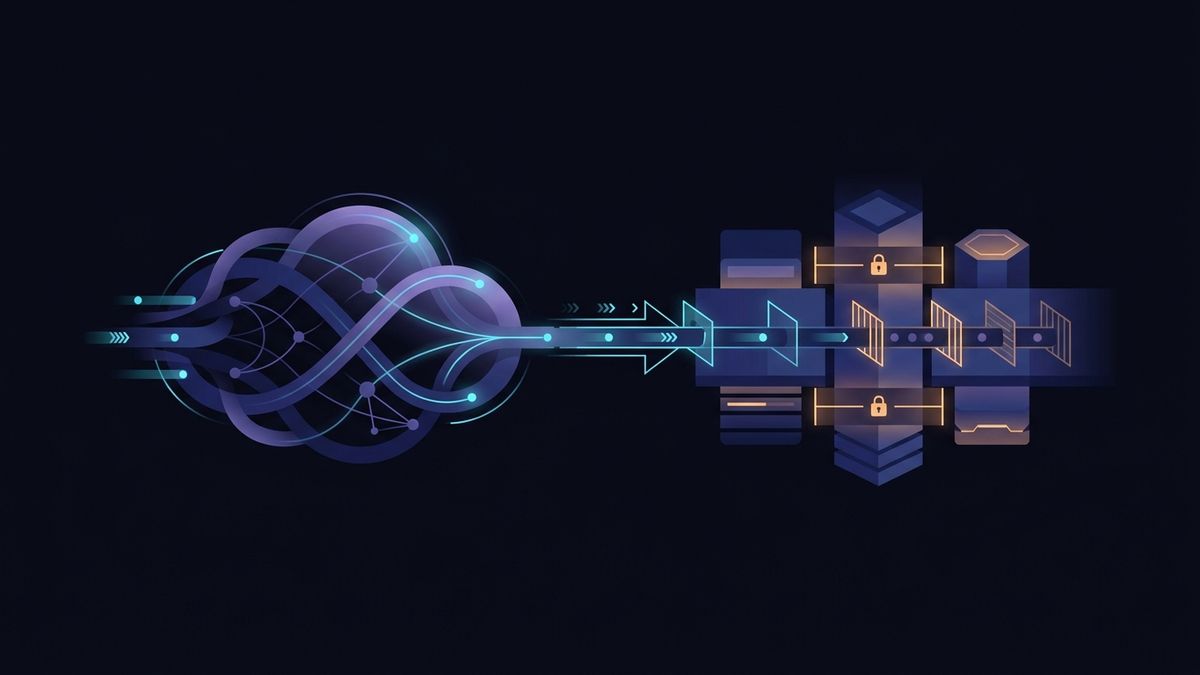
Most enterprise teams implement HubSpot and AEM independently.
Sales and marketing buy HubSpot. Digital ops inherits AEM. Two platforms, two teams, two data models — and a shared customer who experiences them as one brand.
The integration question gets asked late. Usually after the personalization project stalls, the campaign reporting doesn't add up, or the content team realizes they're maintaining customer segments in two places.
The Architectural Question Nobody Asks First
Before implementing either platform, the question that determines integration architecture is: how do HubSpot and AEM share a customer record?
It sounds simple. The answer is almost never simple.
HubSpot owns the commercial relationship: lifecycle stage, deal history, sales engagement, support tickets. AEM owns the content experience: page templates, component configuration, publishing workflows.
For personalized content delivery at scale — AEM serving experiences based on HubSpot CRM data — there has to be a clear answer to which system is the source of truth for which attributes. Segment membership, lifecycle stage, and engagement history should flow in one direction. AEM consumes. HubSpot owns.
When both systems write to the same attributes, you get conflict and inconsistency. When the integration isn't defined, each team builds workarounds — manual exports, duplicated segment lists, reporting that doesn't reconcile.
Different Cadences, Different Requirements
HubSpot and AEM are optimized for different things. Forcing one system's rhythm onto the other creates operational friction.
HubSpot is optimized for velocity. Deal updates happen in minutes. Lifecycle stage changes trigger immediate workflows. Sales reps need real-time data. The system is designed for fast iteration and frequent updates.
AEM is optimized for governance. Publishing workflows have approval chains. Content goes through structured review before it reaches production. Version control and rollback matter. The system is designed for quality control and operational reliability.
The integration layer between them should preserve each system's strengths. HubSpot events can trigger AEM content updates — but through a queue that respects AEM's publishing governance, not a direct write that bypasses it.
What This Looks Like in Practice
We've supported AEM operations for a Fortune 500 cybersecurity client since 2021. 847 publishes processed in 2025, across 9 languages, under a <24h SLA.
The CRM data that informs content personalization for that client comes from a separate system. The integration between them was engineered deliberately:
- HubSpot is the source of truth for audience segments and lifecycle data
- AEM pulls segment data on a defined cadence — not real-time, because real-time updates at that volume create publishing instability
- The integration layer is monitored: sync failures surface alerts, field mapping changes in either system trigger a review process
- A dedicated practice manages both sides — not two separate vendors who hand off to each other
That last point matters more than the architecture. The technical integration holds because the team that built it also maintains it. When HubSpot updates its API, the team that manages the AEM side knows immediately. When AEM's content model changes, the HubSpot side adapts.
Dedicated Teams, Not Revolving Doors — this is what that means in practice.
The Duplication Problem
When HubSpot and AEM aren't integrated, teams duplicate work:
- Segment lists maintained in both platforms
- Campaign data that lives in HubSpot but doesn't connect to AEM analytics
- Content performance data that can't be tied back to CRM lifecycle stage
- Personalization rules that have to be manually updated in two places when the business logic changes
The integration doesn't eliminate this work. It moves it from recurring manual effort to one-time engineering — plus ongoing maintenance.
Getting the Integration Right
For enterprise teams planning to run HubSpot and AEM together, the integration architecture should be defined before either platform is fully configured. The decisions made at configuration time — what HubSpot owns, what AEM owns, how they share data — are expensive to reverse later.
At Dbugger, we've built and maintained this architecture for enterprise clients. If your team is planning a HubSpot + AEM integration, or auditing an existing one that's accumulated technical debt, we're available to scope it at dbugger.net/contact/discovery-call.
Categories:
About Andres Chavarria
Andres is the founder and CEO of DBUGGER. He's led enterprise technology engagements for over a decade, from Fortune 500 AEM operations to custom software for growing businesses.
Related Articles
Secure by Design: How Enterprise Teams Build Security Into the Development Lifecycle
Secure by Design means security decisions happen at architecture time, not after launch. Here's what that looks like in an enterprise development lifecycle.
Read more →CybersecurityOWASP Top 10 2025: What Enterprise Engineering Teams Should Actually Prioritize
The OWASP Top 10 2025 added two new categories and reshuffled the rest — here's what changed and where enterprise teams should focus first.
Read more →